
LGPR Publication Success in International Journal of Advanced and Applied Sciences by Dr. Raafat Mohammed Munshi

Journal of Advanced and Applied sciences, 13, 1 (January 2026), Pages: 13-26 |
Impact Factor: NA
Cite Score: 1.0
International Journal of ADVANCED AND APPLIED SCIENCES (IJAAS), a scientific broadcasting organization and media, provides an international medium for the communication of original research, ideas and developments in all areas of the field of Applied Sciences. IJAAS tries to apply existing scientific knowledge to develop more practical applications like technology or inventions to solve immediate, real-life problems in a scientific manner. Its main scope is application of scientific knowledge transferred into a physical environment which embraces branches of applied science such as: Engineering, Applied mathematics, Applied physics, Medicine, and Computer science.
Early diagnosis of end-stage renal disease risk in type 2 diabetes mellitus using advanced analysis of clinical laboratory data
Raafat M. Munshi
Lincoln University College, Petaling Jaya, Malaysia.
Department of Medical Laboratory Technology (MLT), Faculty of Applied Medical Sciences, King Abdulaziz University, Jeddah, Saudi Arabia
Othman Y. Alyahyawy
Department of Medical Laboratory Technology (MLT), Faculty of Applied Medical Sciences, King Abdulaziz University, Jeddah, Saudi Arabia.
Lammar R. Munshi
Faculty of Medicine, King Abdulaziz University, Jeddah, Saudi Arabia
Shashi Kant Gupta
Lincoln University College, Petaling Jaya 47810, Malaysia.
Center for Research Impact & Outcome, Chitkara University Institute of Engineering and Technology, Chitkara University, Rajpura, Punjab 140401, India.
Abstract
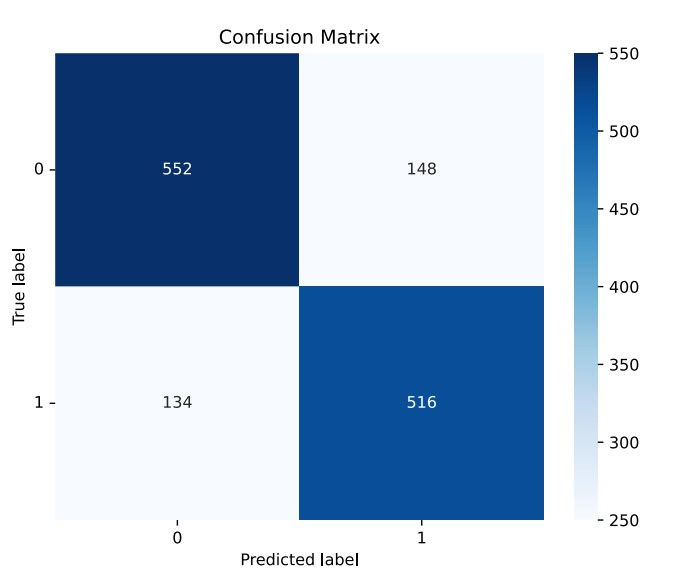
End-stage renal disease (ESRD) is a serious complication of Type 2 Diabetes Mellitus (T2DM) and has a significant negative effect on patient health. Early and accurate detection is essential but difficult to achieve in clinical settings. This study introduces an Optimized Grey Wolf Convolutional Decision Tree (OGW-ConvDT) classifier to predict the risk of ESRD by combining advanced machine learning techniques with clinical laboratory data. The model uses Z-score standardization for data normalization, Principal Component Analysis (PCA) to reduce data dimensions, and the SelectKBest method for selecting the most important features. A Convolutional Neural Network (CNN) is used to extract spatial features, and a Decision Tree (DT), optimized using the Grey Wolf (GW) algorithm, performs the final classification. The proposed method was tested on a publicly available dataset from Kaggle and achieved strong performance: precision (0.996), F1-score (0.996), recall (0.997), accuracy (0.997), AUC (0.999), specificity (0.959), log loss (0.009), and AUC-PRC (0.824). These results show that the OGW-ConvDT model performs better than traditional methods and provides an effective and reliable tool for early ESRD risk detection in T2DM patients.

![[LGPR]Publication Success Series – Dr. Sandip Kunar in International Journal of Metalcasting](https://static.wixstatic.com/media/bf2ea4_f1ce1d75c5014e73ada29a51d9880655~mv2.jpeg/v1/fill/w_527,h_561,al_c,q_80,enc_avif,quality_auto/bf2ea4_f1ce1d75c5014e73ada29a51d9880655~mv2.jpeg)
Dear , Raafat
Massive congrats on publishing your paper and wrapping up the Postdoctoral Research Program! Your hard work and perseverance have truly paid off. Wishing you a bright future ahead!
Best regards,
So proud of you Dr. Raafat 🌟
This research is a true reflection of your dedication and excellence in combining AI with healthcare.
Congratulations on this well-deserved international publication 👏
Congratulations on the publication of your research 🤍 This is a well deserved achievement and I wish you continued success in your academic journey.
Congratulations Doctor & I hope to see more of your excellent & unique work .
The manuscript is clearly written, methodologically sound, and scientifically rigorous. The authors present their results in a clear manner with appropriate interpretation.